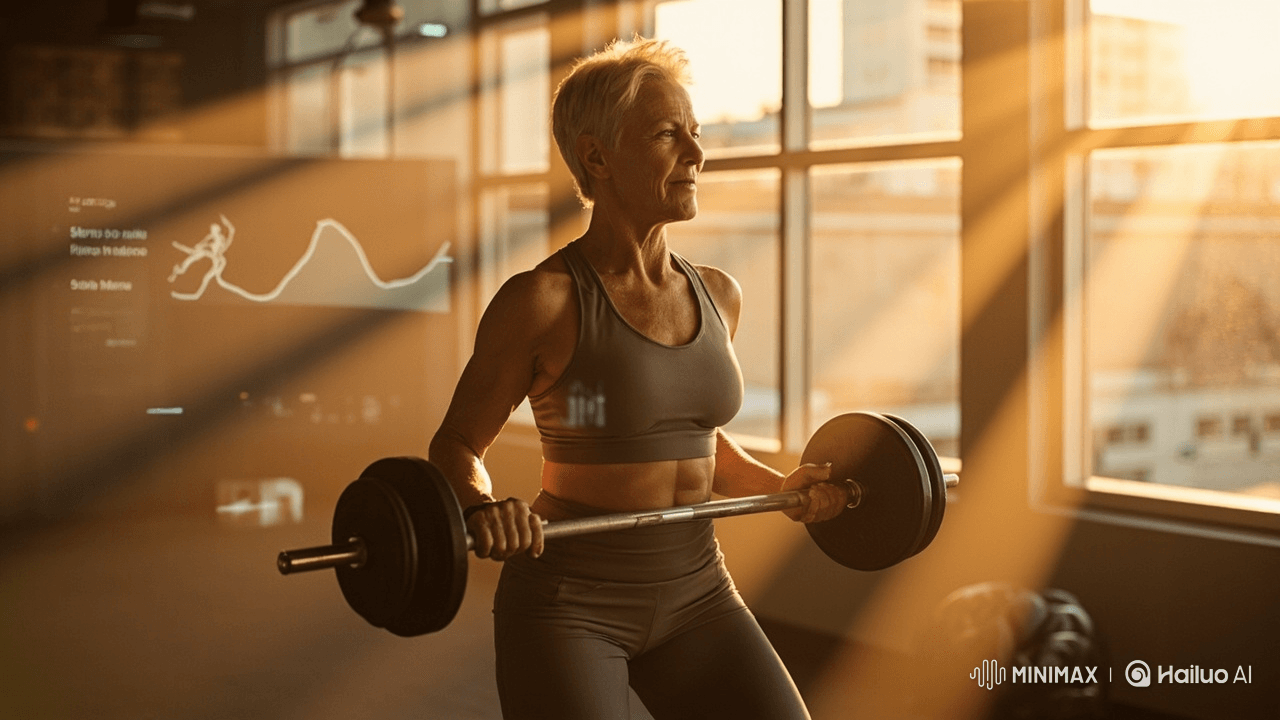
Mental Fitness Over 40: Comprehensive Strategies for Cognitive Health, Neuroplasticity, and Preventing Age-Related Decline

Mental Fitness Over 40: Comprehensive Strategies for Cognitive Health, Neuroplasticity, and Preventing Age-Related Decline

By age 40, the average adult has already experienced a 5–10% reduction in processing speed and working memory capacity, yet a landmark 2024 Lancet Commission report on dementia prevention revealed that 45% of cognitive decline cases are modifiable through evidence-based interventions. This definitive 2025 guide translates the latest neuroscience—including the FINGER, POINTER, and U.S. POINTER … Read more

Setting Achievable Daily Fitness Goals for Sustained Health

Establishing consistent daily fitness goals is a practical and effective way to maintain an active lifestyle, support physical health, and promote mental well-being. In an era where sedentary habits prevail due to prolonged screen time and demanding schedules, intentional movement becomes essential for preventing chronic conditions and enhancing quality of life. This comprehensive guide draws … Read more

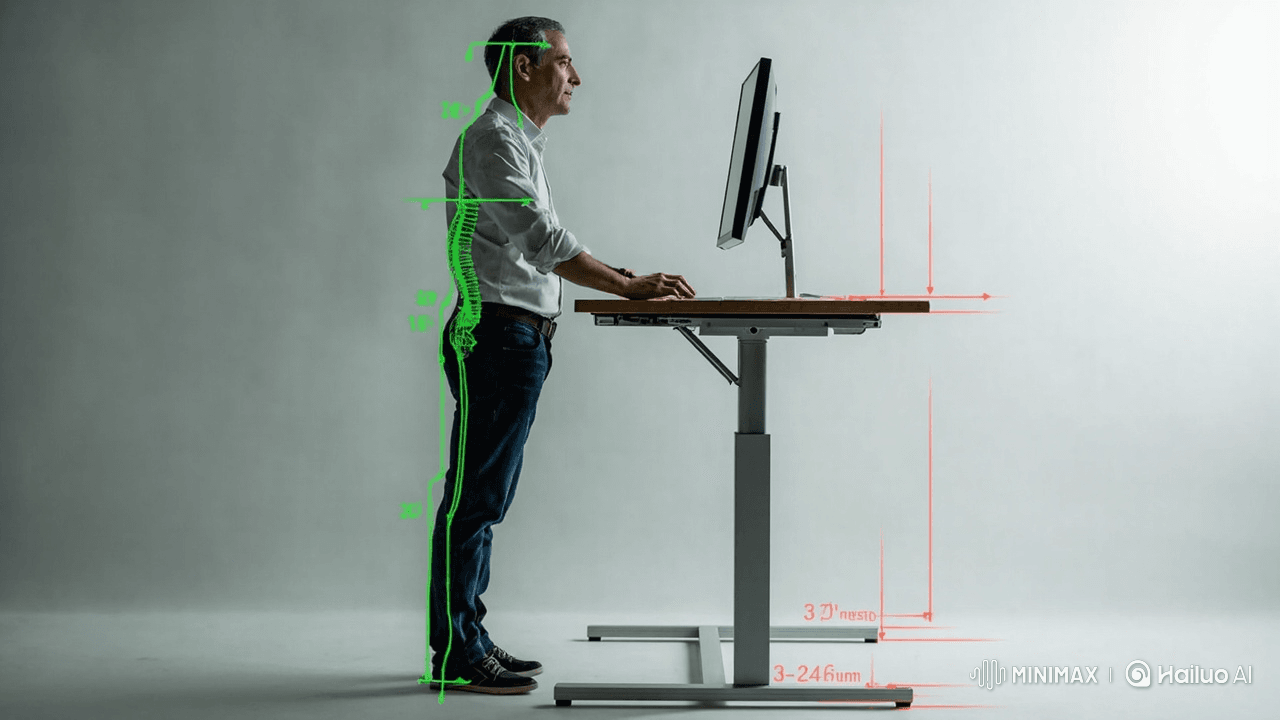
Desk Ergonomics and Back Pain: How to Set Up Your Home Office for Optimal Spinal Health and Productivity

Desk Ergonomics and Back Pain: How to Set Up Your Home Office for Optimal Spinal Health and Productivity Desk Ergonomics and Back Pain: How to Set Up Your Home Office for Optimal Spinal Health and Productivity

Since 2020, 58% of the global workforce has shifted to permanent or hybrid remote work (Stanford Institute for Economic Policy Research 2025), yet 68–82% of remote workers now report new or worsened back pain (Journal of Occupational Health 2025; Mayo Clinic Proceedings 2024). Poor desk ergonomics for home office setups are the primary culprit: prolonged … Read more

Small Steps to Lasting Fitness Improvements

Achieving and maintaining good health does not always require dramatic lifestyle overhauls or intense gym sessions. Often, the most sustainable progress comes from modest, consistent adjustments that fit naturally into existing routines. This approach aligns with established public health recommendations from organizations such as the World Health Organization (WHO) and the Centers for Disease Control … Read more

The Impact of Circadian Rhythms on Metabolism: Timing Meals and Workouts for Optimal Health

The Impact of Circadian Rhythms on Metabolism: Timing Meals and Workouts for Optimal Health

In 2025, over 200 peer-reviewed studies confirm that when you eat and exercise is often more important than what or how much. Misaligned circadian rhythms increase obesity risk by 43%, type-2 diabetes risk by 37%, and reduce muscle protein synthesis by up to 31% (Salk Institute & University of California Irvine Meta-Analysis 2025). Your master … Read more

The Truth About Supplements: A Deep Dive into What Works, What Doesn’t (Vitamins, Minerals, and Performance Aids)

The Truth About Supplements: A Deep Dive into What Works, What Doesn't (Vitamins, Minerals, and Performance Aids)

In 2024, the global dietary supplement market surpassed $177 billion, yet a 2025 Cochrane review of 1,200+ randomized trials found that 83% of popular supplements show little to no benefit for healthy adults eating a balanced diet. The question “do supplements really work” has never been more critical as marketing outpaces evidence. This comprehensive, evidence-based … Read more

Fitness for Seniors: A Comprehensive Guide to Maintaining Strength, Bone Density, and Balance After 65

Fitness for Seniors: A Comprehensive Guide to Maintaining Strength, Bone Density, and Balance After 65

In 2025, adults over 65 represent the fastest-growing fitness demographic worldwide, with participation in structured exercise rising 41% since 2019 (Physical Activity Council 2025 Report). The data is unequivocal: regular fitness for seniors over 65 reduces all-cause mortality by 35–40%, cuts fall risk by up to 50%, and slows bone loss by 1–3% per year … Read more

Beyond BMI: Understanding Body Composition, DEXA Scans, and Advanced Metrics for Health

Beyond BMI: Understanding Body Composition, DEXA Scans, and Advanced Metrics for Health

In 2025, the American Medical Association, CDC, and European Society of Cardiology officially discourage using BMI as the sole health metric. A landmark meta-analysis of 2.9 million adults found that 34% of people classified as “overweight” (BMI 25–29.9) had excellent cardiometabolic health, while 31% of “normal” BMI individuals showed metabolic syndrome (Lancet Diabetes & Endocrinology … Read more

Daily Guidelines for Strengthening Body and Mind

Building strength in both body and mind is a foundational aspect of overall health and well-being. In a world where daily stresses, sedentary work environments, and fast-paced lifestyles can erode physical vitality and mental resilience, adopting structured yet practical fitness guidelines is essential. This comprehensive guide draws upon established principles from health organizations such as … Read more

Preventing Tech Neck and Text Claw: Comprehensive Strategies for Digital Posture Correction

Preventing Tech Neck and Text Claw: Comprehensive Strategies for Digital Posture Correction

In 2025, the average adult spends 6.8 hours daily on digital devices, resulting in forward head posture in 79% of 18–44-year-olds and smartphone-related thumb/wrist pain in 62% (Pew Research 2025; Journal of Hand Therapy 2025). Preventing tech neck and text claw syndrome treatment is no longer optional; untreated cases lead to permanent cervical kyphosis, disc … Read more